
 es
es English
 中文简体
中文简体 Español
La carcasa de su bomba moldeada por inyección se agrieta después de 800 horas a 150°C en un medio cáustico. El PA66 relleno de vidrio que usted especificó mantiene su forma, pero la superficie pierde brillo y la tolerancia dimensional cambia. Este es el punto en el que muchos ingenieros de diseño pasan del nailon estándar a los gránulos de plástico PPS. El sulfuro de polifenileno (PPS) es un termoplástico semicristalino de alto rendimiento que soporta calor continuo cerca de 220 °C, resiste la mayoría de los ácidos y solventes y arde solo cuando se expone directamente a las llamas.
La respuesta corta: si su parte ve calor a largo plazo, productos químicos agresivos o requisitos dimensionales estrictos en una carcasa eléctrica compacta, PPS es un candidato serio. Pero los pellets vienen con varias modificaciones. Elegir el relleno incorrecto puede provocar deformaciones, debilidad en la línea de soldadura o costos innecesarios. A continuación se presenta una forma práctica de adaptar un grado de pellets de PPS a sus condiciones de producción reales.
¿Qué hace que los pellets de plástico PPS sean diferentes?
El PPS tiene una estructura molecular inherente que le confiere un conjunto de propiedades básicas comunes a cada grado. Estas son las razones por las que los ingenieros lo seleccionan y los límites que deben superar en el diseño.
| Propiedad | Rango típico | Por qué es importante en el abastecimiento |
|---|---|---|
| Temperatura de servicio continuo | 200–220°C | Permite el uso en aire caliente, aceite y vapor sin fluencia. |
| Punto de fusión | 280–290°C | Establece las temperaturas requeridas del cilindro y del molde. |
| retardante de llama | UL94 V-0 (inherente) | No se necesita retardante de llama halogenado para muchas piezas de paredes delgadas |
| Resistencia química | Excelente contra ácidos, bases y disolventes. | Sobrevive al combustible, líquido de frenos y agentes de limpieza industriales. |
| Absorción de agua | Menos del 0,05% | Mantiene las dimensiones estables en ambientes húmedos o mojados. |
| Estabilidad dimensional | Baja expansión térmica y fluencia. | Mantiene tolerancias críticas en los componentes acoplados. |
Tenga en cuenta que la resina no modificada no es una potencia estructural. Es fuerte pero quebradizo y puede resultar difícil procesarlo sin refuerzo. Es por eso que prácticamente todos los pellets de PPS comerciales para moldeo por inyección se venden con rellenos o aditivos.
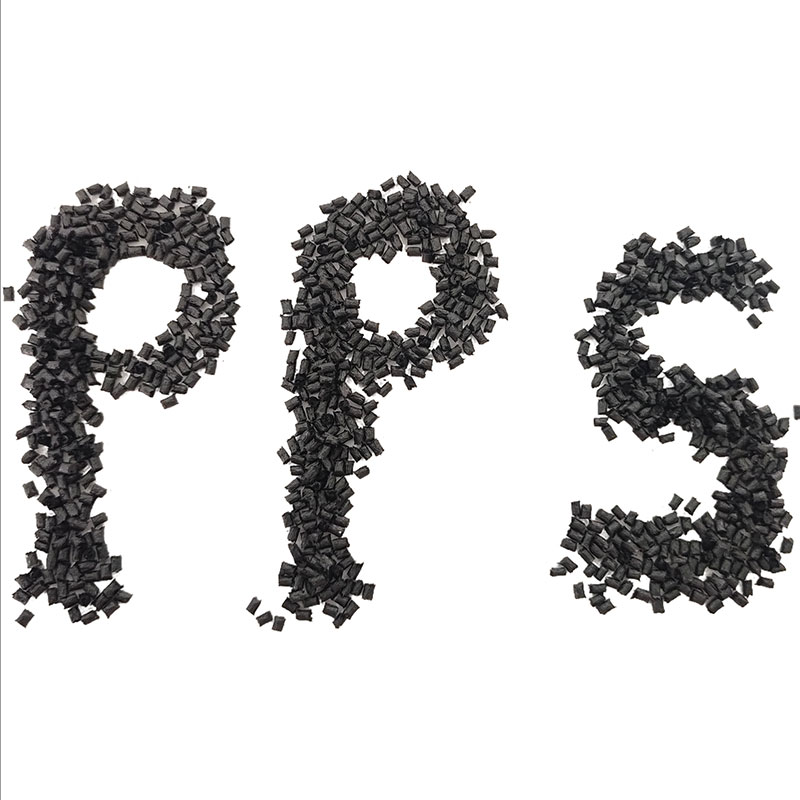 Propiedades y limitaciones de la resina PPS sin relleno El PPS puro ofrece alta resistencia al calor e inercia química, pero es quebradizo y difícil de procesar sin rellenos. Esta descripción general explica por qué la mayoría de los grados comerciales de PPS se modifican con refuerzos o aditivos. Ver producto →
 Cómo los aditivos cambian los gránulos de PPS
El mismo polímero PPS se comporta como un material completamente diferente según el paquete de aditivos. Cuando comparas citas de autores compuestos, el contenido de relleno es lo primero que debes mirar.
Fibra de vidrio 30–45%
Aumenta la resistencia y la rigidez, mejora la resistencia a la fluencia y reduce el costo por kilogramo. La compensación es la anisotropía: la deformación y la debilidad de la línea de soldadura aumentan con un mayor contenido de fibra.
Fibra de carbono 15–30%
Agrega rigidez, conductividad térmica y conductividad eléctrica. Bueno para protección ESD o EMI, pero la fragilidad y la precisión del color se vuelven más difíciles de controlar.
PTFE / lubricado
Reduce la fricción y mejora la resistencia al desgaste de las piezas móviles. A menudo se combina con vidrio o carbono para equilibrar la resistencia mecánica y las propiedades de deslizamiento.
Lleno de minerales
Reduce la deformación y proporciona un acabado superficial más suave. Adecuado para aislamiento eléctrico y piezas de tolerancia estrecha que no soportan cargas estructurales pesadas.
Grados rellenos de vidrio: el caballo de batalla del PPS
El PPS relleno de vidrio es la forma más común en aplicaciones industriales. Una carga de vidrio del 45% agrega la rigidez requerida para los componentes, carcasas y soportes de la bomba. Cuando la aplicación implica calor prolongado y cargas elevadas, este grado resiste la deformación mejor que muchos reemplazos de metal.
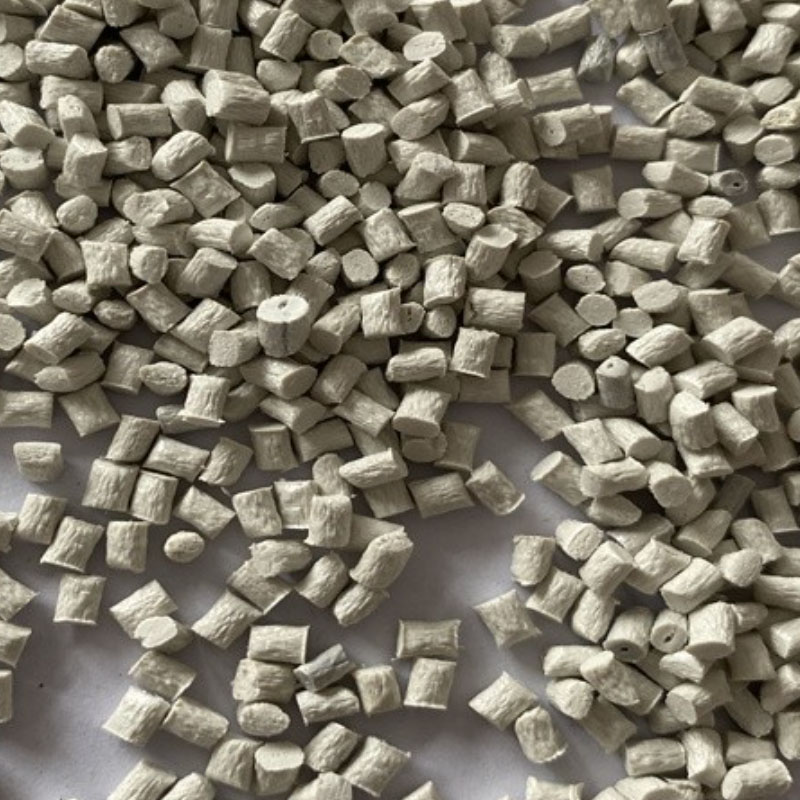 45% PPS reforzado con fibra de vidrio para mayor rigidez Con un 45% de fibra de vidrio, este grado de PPS ofrece alta rigidez y resistencia a la fluencia, lo que lo hace adecuado para componentes, carcasas y soportes de bombas sometidos a calor y carga sostenidos. Ver producto →
 Si su pieza requiere retardo de llama y mejor resistencia al desgaste, un grado de PPS con vidrio y PTFE le brinda una solución equilibrada para casquillos, sellos y discos de válvulas. El PTFE actúa como un lubricante sólido, por lo que el material puede correr contra las superficies de contacto sin un sistema de grasa separado.
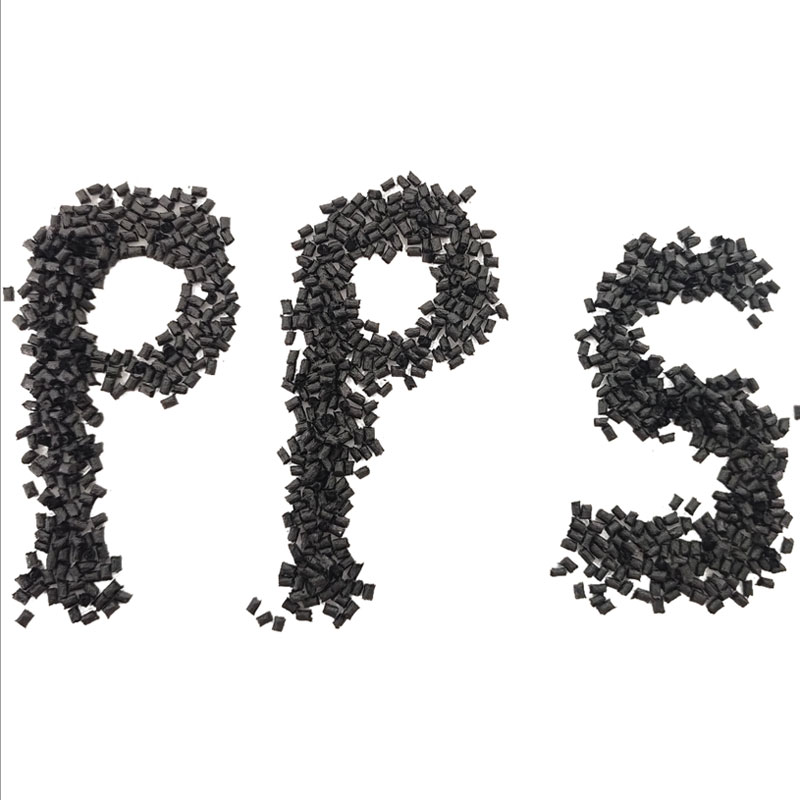 PPS con vidrio y PTFE para resistencia al desgaste Combinando un 30% de fibra de vidrio y PTFE, este grado retardante de llama proporciona autolubricación y resistencia al desgaste, ideal para casquillos, sellos y discos de válvulas sin engrase por separado. Ver producto →
 Antes de solicitar un presupuesto, decida si su pieza es un componente estructural, una superficie deslizante o ambos. Esta elección afecta directamente a la proporción de relleno y al precio del pellet.
Una ruta práctica de selección de 4 pasos
Cuando esté reduciendo el grado de pellets de PPS, siga estos pasos en orden. Esto evita el error común de elegir una calidad porque se ve bien en una hoja de datos pero no sobrevive al proceso de moldeo.
- Definir el entorno operativo. Enumere la temperatura continua máxima, los medios químicos y la carga mecánica. Un pico de corta duración de 260°C es diferente de una exposición continua de 200°C.
- Identifique la propiedad crítica. ¿Es rigidez, estabilidad dimensional, fricción, conductividad o retardo de llama? No intente optimizar todas las propiedades a la vez.
- Compare el sistema de llenado. La fibra de vidrio aporta rigidez, la fibra de carbono aporta conductividad, el PTFE aporta resistencia al desgaste y las cargas minerales aportan planitud. Haga coincidir la proporción de relleno con la propiedad crítica.
- Verificar procesabilidad. Verifique la temperatura recomendada del barril, la temperatura del molde y el tiempo de residencia. Las cargas elevadas de vidrio necesitan velocidades de tornillo más lentas y un sistema de canal caliente robusto.
Si ya conoce la respuesta a estas cuatro preguntas, ha reducido el campo a dos o tres grados. Solicite al mezclador un lote de prueba y una hoja de datos completa, no solo un precio al por mayor. Esta es la base para una producción estable.
Dónde se utilizan los pellets de PPS en todas las industrias
La clave para una aplicación exitosa es hacer coincidir el grado con el perfil de estrés, no solo con la industria. A continuación se detallan casos de uso comunes y el grado de pellet que normalmente se adapta a ellos.
Componentes automotrices
Las piezas del sistema de combustible, los componentes de la dirección asistida y los compresores scroll necesitan calor continuo además de resistencia química. Un PPS relleno de vidrio entre un 40% y un 45% soporta la carga y resiste la exposición al petróleo a corto plazo.
Piezas eléctricas y electrónicas.
Las carcasas, conectores y bobinas de relés requieren retardo de llama V-0 y baja desgasificación. El PPS sin relleno o con relleno mineral proporciona un buen control dimensional a la ruta de aislamiento.
Equipos industriales
Los cuerpos de bombas y válvulas, impulsores y anillos de desgaste funcionan en medios corrosivos o calientes. Aquí se suele utilizar PPS relleno de vidrio con un aditivo de PTFE para combinar resistencia mecánica y propiedades de deslizamiento.
Equipos de proceso químico
El PPS resiste disolventes clorados, ácidos débiles y álcalis a temperaturas elevadas. En los componentes de tuberías y depuradores, la baja absorción de agua evita que las bridas y los sellos se hinchen.
Riesgos comunes de abastecimiento y cómo evitarlos
Los gránulos de PPS pueden ser más caros que los plásticos de ingeniería estándar, por lo que hay más en juego cuando algo sale mal. Estos son los riesgos que los equipos de adquisiciones enfrentan con más frecuencia y lo que usted puede hacer al respecto.
| Riesgo | lo que ves | Mitigación |
|---|---|---|
| Inconsistencia entre lotes | Cambios en el llenado del molde o variación dimensional entre envíos | Exigir un certificado de análisis para cada lote y probar las piezas del primer artículo antes de aceptar la cantidad total. |
| Captación de humedad | Rayas de plata o defectos superficiales después del moldeado. | Especifique el embalaje de PA sellado y solicite recomendaciones de secado al mezclador |
| Deformación en calidades rellenas de vidrio | La pieza moldeada se dobla o tuerce después del enfriamiento. | Utilice calidades cargadas de minerales o de baja deformación para piezas planas de paredes delgadas |
| Sobreespecificación | Comprar un costoso refuerzo de fibra de carbono para una pieza que sólo necesita rigidez | Compare el rendimiento requerido con alternativas llenas de vidrio o minerales |
Un factor adicional es el nivel de certificación de calidad que requiere su cadena de suministro. Si alimenta líneas automotrices o médicas, pregunte si el mezclador contiene IATF16949 y si el material es compatible con sus objetivos de sostenibilidad existentes. esto artículo sobre criterios de evaluación de calificaciones de PPS explica las preguntas técnicas que debe hacerle a un proveedor.
Preguntas frecuentes
¿Es seguro granular los pellets de plástico PPS?
Sí, pero el alto punto de fusión requiere una temperatura del barril de entre 300 y 320 °C. La humedad en los gránulos puede causar degradación, por lo que el secado es esencial antes de procesarlos.
¿Pueden los gránulos de PPS reemplazar al PEEK en aplicaciones de alta temperatura menos exigentes?
En muchos casos, sí, si la temperatura máxima continua es inferior a 220 °C y la resistencia al impacto no es el requisito principal. PEEK es más fuerte y resistente a temperaturas más altas, pero también significativamente más caro.
¿Cómo sé qué porcentaje de relleno elegir?
Comience con la rigidez requerida y la tolerancia de planitud. Si la pieza tiene una longitud de flujo larga y paredes delgadas, elija un contenido de vidrio más bajo o un grado con relleno mineral. Para módulo alto, utilice entre 40 y 45 % de vidrio.
¿Los pellets de plástico PPS requieren materiales de molde especiales?
Sí. Los grados con alto contenido de vidrio son abrasivos, por lo tanto, utilice acero para herramientas endurecido y guías cromadas. La temperatura del molde debe mantenerse entre 140 y 160 °C para una cristalinidad óptima.
Elegir pellets de plástico PPS no se trata de encontrar el grado más caro. Se trata de adaptar el sistema de llenado al entorno térmico y químico al que se enfrentará su pieza en servicio. Comience con los cuatro pasos de selección, confirme la propiedad crítica y trabaje con un mezclador que pueda brindarle consistencia y soporte técnico. Un grado que se adapte a su proceso actual mantendrá su producción estable durante años.



